Case study · Fintech · Founder
Skip Pay — building for the people the system was leaving out.
A contactless payment and personal finance app launched in Egypt, designed for a regional rollout into Libya and Iraq. Built from a real conviction about financial inclusion, and from the deep work at I-SCORE that showed me exactly where the gaps were. Real users on a beta. Orange Corners finalist. Shut down cleanly when the licensing path closed — rather than drag it out.
- Role
- Founder & CEO
- Period
- Oct 2021 — Aug 2022
- Markets
- Egypt (launch) · Libya, Iraq (regional vision)
- Outcome
- Functional beta · Orange Corners finalist · Clean shutdown
- Links
What pushed me to start
The conviction came from two places, sitting together.
What I’d witnessed in Malaysia about how financial inclusion done right transforms lives — when payment infrastructure works, when people can actually see and control their money, the change in how they live is not abstract. The shift is daily, visible, and underpriced in most narratives about fintech.
And my year at I-SCORE. Egypt’s national credit bureau is the infrastructure underneath every bank in the country, and being the first technical PM there put me in front of credit data for a year. I saw how the data moved. I saw where it broke down. I saw who it was failing.
The pattern was clear. People in Egypt were navigating their finances blind — fragmented bank accounts, no visibility into where money actually went, no real-time signal on what they were spending. The infrastructure existed. The interface to it didn’t. And the macro picture supported what I was seeing: 70% of Egyptian payments still ran on cash in 2021, against a national vision of financial inclusion by 2030. The question wasn’t whether there was a market. The question was whether anyone would build for the people the system was already leaving out.
That’s what pushed me to move.
Who I built it with
I brought together a team of six. Two co-founders with finance and operations depth — one carrying community and operational experience, one carrying financial management from the corporate side. Three engineers between them spanned governmental software, corporate services, and fintech-specific backend work.
Six people, no outside money, deliberately calling ourselves “six broke guys” in the deck because that’s what we were. The credibility came from the work, not the runway.
Where each of them is now is a conversation for in person, not this page. But the caliber tells the story.
What we built and proved
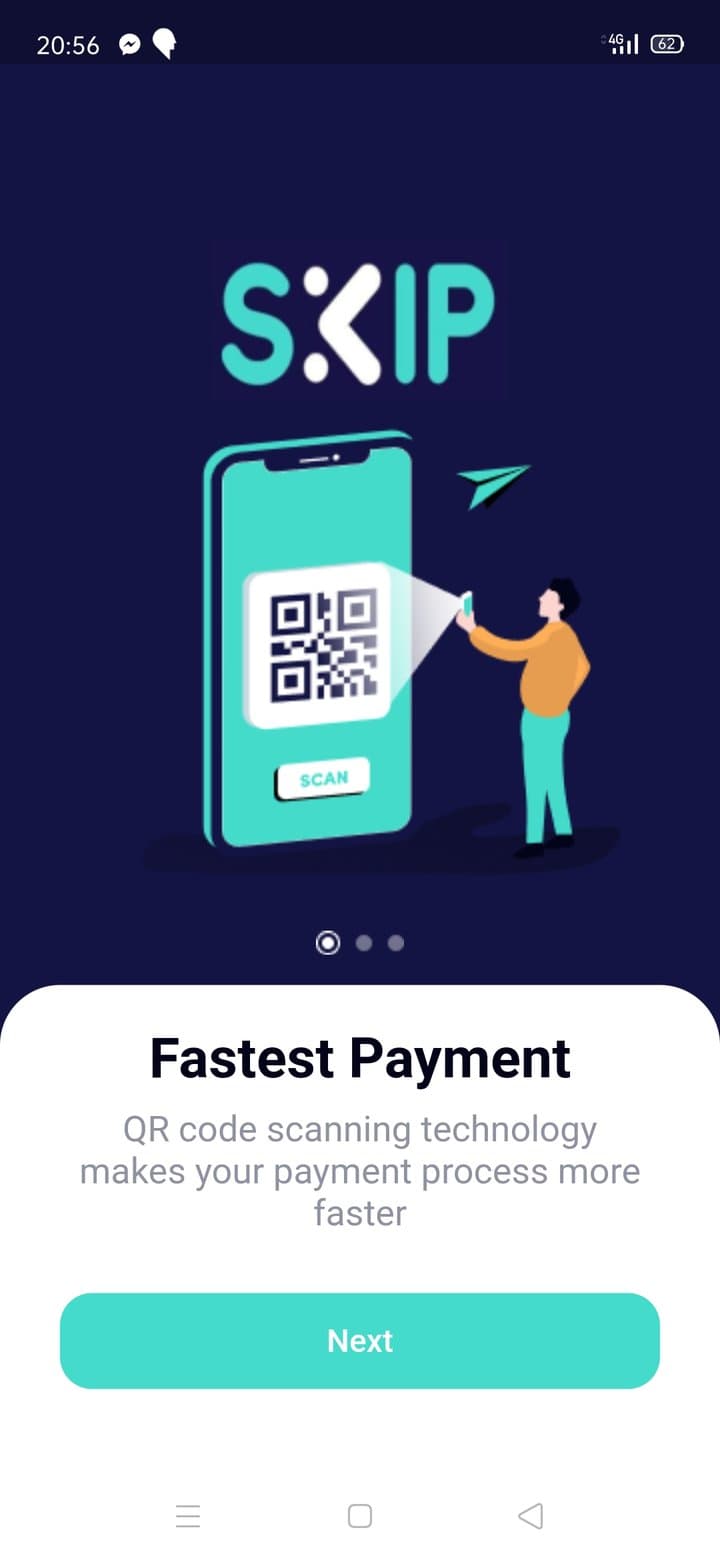
Skip wasn’t a challenger bank. That call mattered from the start. We weren’t asking people to displace their money into a new account, build trust with another bank brand, or wait through KYC for a wallet they wouldn’t actually use. The product sat as an orchestration layer on top of cards people already had — letting them pay by QR code at any merchant, switch which card the payment came from, see all their accounts in one view, and watch their spending in real time.
The merchant side mirrored the same thinking. Two-minute online onboarding. No POS hardware. Static and dynamic QR codes that carried order details and amount. Compatibility with the QR networks every Egyptian bank already supported. We weren’t asking merchants to choose us over their existing acquirer. We were giving them a faster path to accept what was already in motion.
Before writing a line of production code, we ran more than 300 customer interviews to shape what the product should be. We layered behavior analytics on top — Hotjar on the marketing surfaces, observational data on the prototype — to test where users actually got stuck versus where we thought they would. The combination of qualitative interviews and quantitative behavior signal kept us from inventing problems that didn’t exist, and kept the roadmap honest when our instincts disagreed with the evidence.
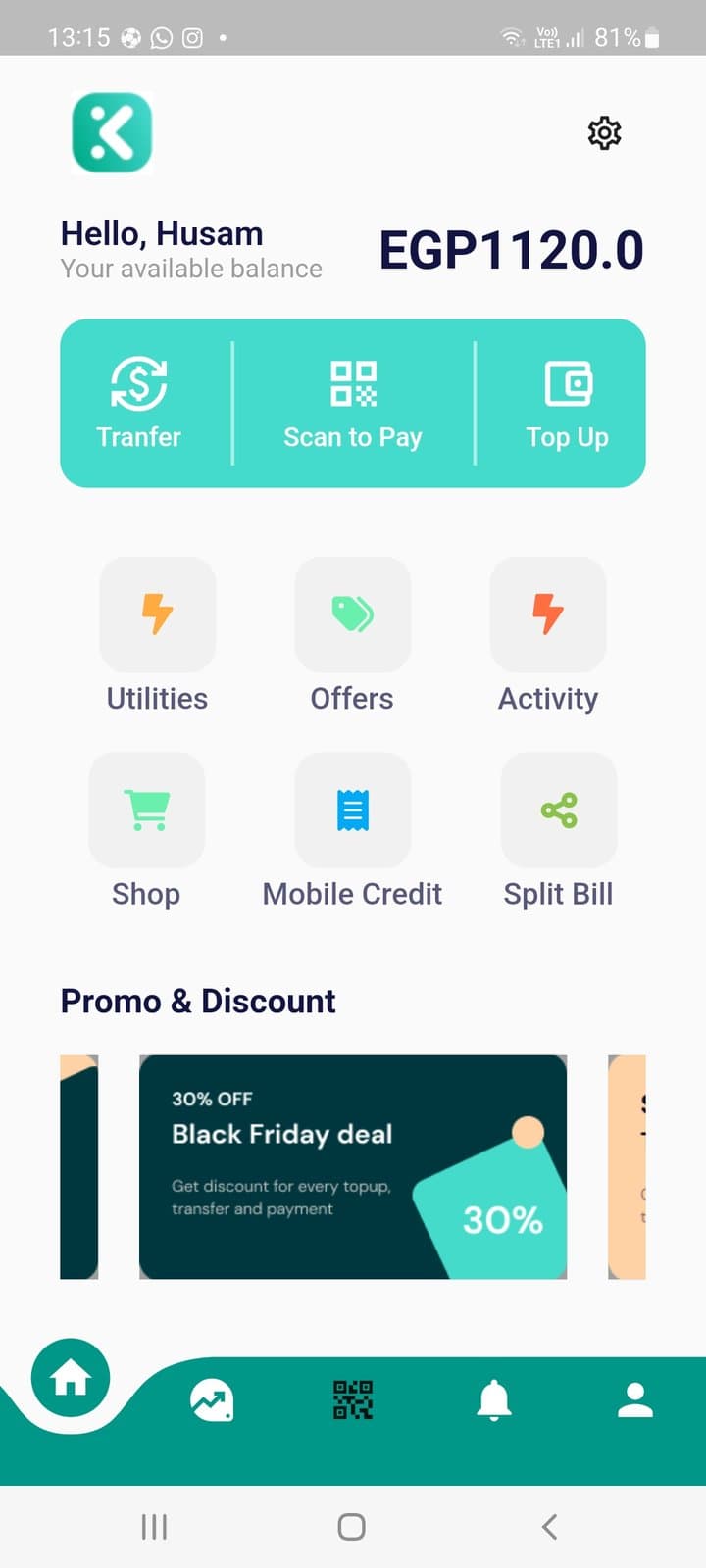
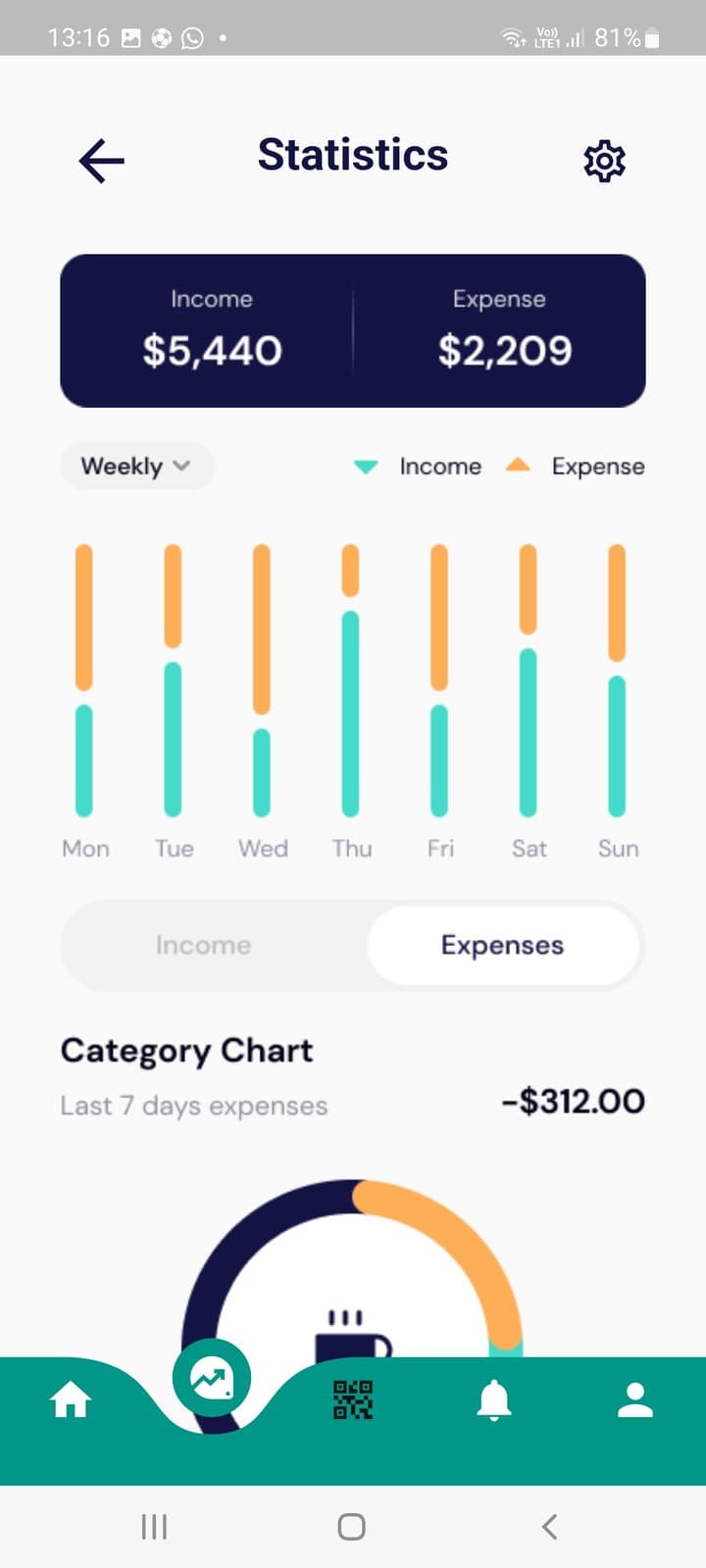
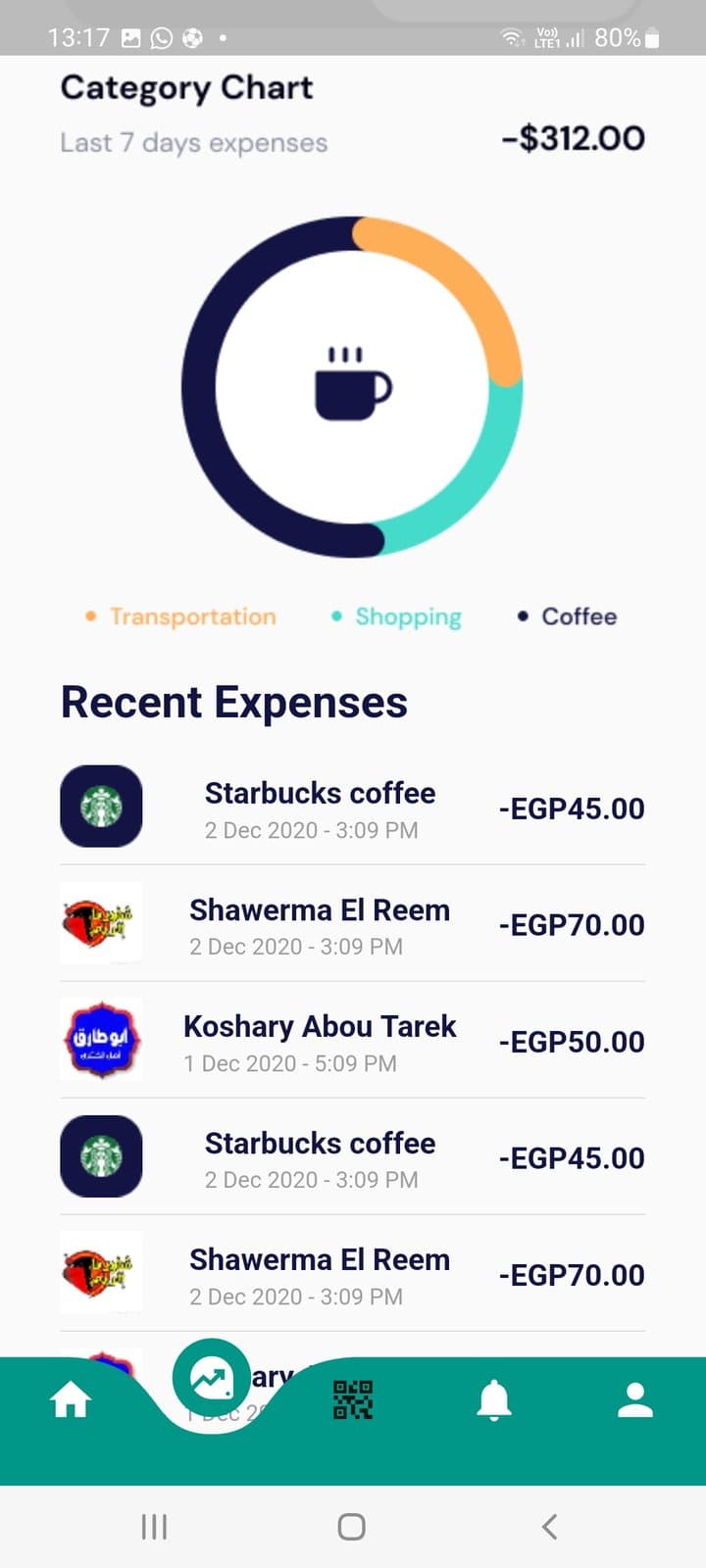
We launched a functional beta on Google Play. Real users transacted in test mode. The product surfaces all worked end to end — onboarding, home dashboard with Transfer / Scan to Pay / Top Up, utilities for gas / water / electricity, weekly income vs expense statistics, category breakdowns by merchant, payment activity history.
We were selected as a finalist at Orange Corners, the international accelerator backed by the Dutch government. Being a finalist there is real signal — the program runs serious diligence and the cohort is small.
The wall and the call
Egypt’s payment licensing landscape moved underneath us. The Central Bank’s instant payment network framework was being formalized in the same window we needed to integrate. Two things made the path close.
The timing of the new fintech regulation didn’t align with our runway. And the license fee structure for a payment service provider was set against capital we didn’t have and couldn’t raise on the timeline that mattered.
I’ve watched founders in our position try to keep going anyway — burning down the team, chasing bridge rounds, hoping the regulator moves. That’s the wrong call when the gating constraint is regulatory and the regulator isn’t moving. It costs the team’s time, the investors’ patience, and the founder’s clarity — and you owe all three more than that.
We shut Skip down cleanly in August 2022. Closed accounts, archived the work, returned what could be returned, and let everyone move forward without ambiguity. No drama. No bridge round to “see if something opens up.” The path didn’t open. We named it. We stopped.
What I learned about when to stop
Most founder stories celebrate persistence. Skip taught me that the rarer signal is recognizing a closed path early enough to stop without dragging others into the cost of pretending otherwise.
The 300 interviews weren’t research overhead. They were how we built conviction, and how, when the licensing wall came up, we already knew the demand was real. That made the shutdown a regulatory call, not a market call. The next time I face a decision like this, that distinction will matter again. Walking away from a market that doesn’t exist is easy. Walking away from a market you’ve verified is real but can’t legally serve is harder — and clearer.
A team you’d build with again is the only team worth building with the first time. Skip’s team didn’t dissolve into resentment. We stayed in touch. Several of the people I worked with on Skip have shaped what I’ve done since — and I’d take a call from any of them, today, on anything. That outcome wasn’t luck. It was the result of being honest with each other from week one and even more honest at the close.
Stopping cleanly is a senior signal, not a junior one. The hardest decision in the founder’s job isn’t which feature to ship or which investor to take. It’s recognizing when the path doesn’t open and being willing to say so out loud, in time, while there’s still dignity in the close. The senior PMs and operators I want to work alongside understand this in their bones. The ones who don’t, you can usually spot by their last three jobs.